
Interior Trim Preparation in Northern Kentucky, Cincinnati & Southeast Indiana
We are not just a painting company — we are your personal painter.
Great trim paint starts before the first coat. If your baseboards are rough, your seams are open, or old brush marks keep showing through, the real fix is trim preparation. My Personal Painter provides interior trim preparation—caulking, filling, sanding, and priming—so your trim paint looks smooth, your lines look crisp, and the finish holds up in real-life use.
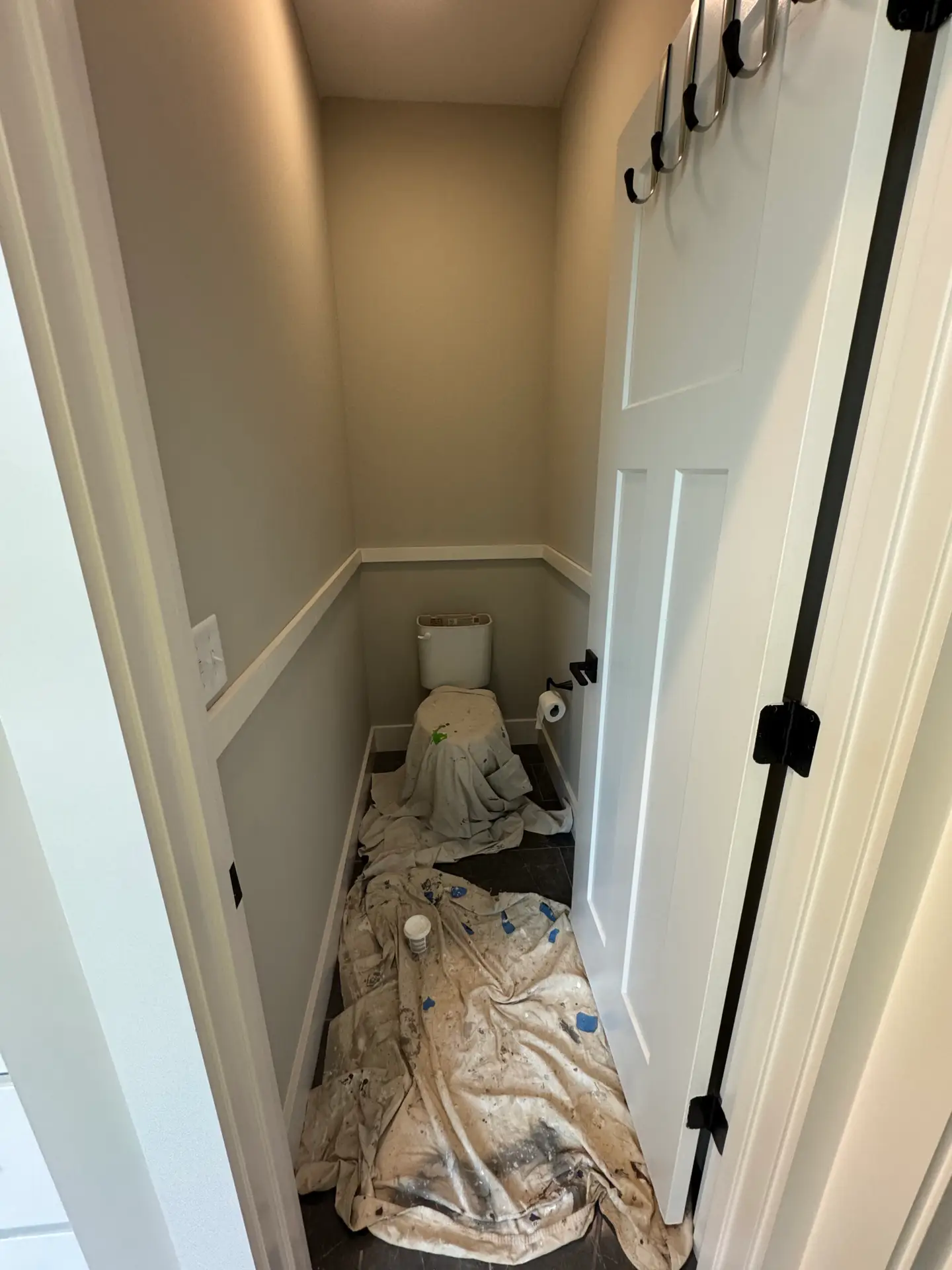
Paint-Ready Trim Prep for Baseboards, Casing, and Doors
When homeowners search for trim prep before painting, they usually want one outcome: trim that looks clean and finished—not bumpy, cracked, or patched. We prep interior trim so the final paint lays down evenly and the details look sharp.
Interior trim areas we commonly prep
Baseboards and shoe molding
Door casing and window trim
Crown molding and decorative trim (scope-based)
Chair rail and wainscoting trim details (scope-based)
Interior doors and door frames (when included)
Built-ins and trim transitions (scope-based)
Common trim problems prep can correct
Open seams and visible gaps
Rough wood grain or raised edges
Nail holes and fastener marks
Old paint ridges and brush marks
Caulk failures and cracked joints
Stains or tannin bleed risk on certain woods
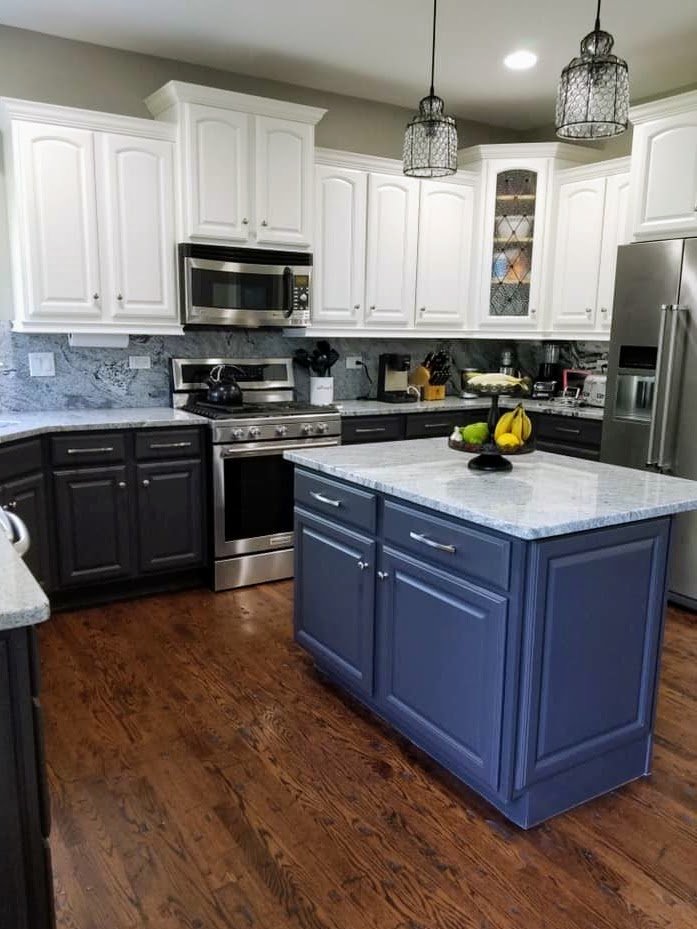
Caulking and Seam Work That Creates Cleaner Trim Lines
Many “messy trim” issues are actually seam issues. Proper caulking closes small gaps and gives your trim a more seamless look—especially where trim meets walls, window frames, and door frames.
Caulking steps we may include during trim prep
Re-caulking failed seams and cracked joints
Smoothing lines at baseboards and casing transitions
Gap correction where trim meets wall surfaces
Clean application that avoids heavy caulk buildup
Planning for movement points where cracking is likely
We keep caulk work controlled so the final line looks clean—not wavy or overbuilt.
Sanding, De-Glossing, and Surface Repairs for Trim That Paints Smoothly
If trim has old enamel paint, glossy finishes, or visible brush texture, sanding and de-glossing is often the difference between “okay” and “wow.” We prep the surface so primer and paint bond correctly and the new finish looks more uniform.
Surface prep steps we may include
Light sanding to smooth ridges and rough spots
De-glossing where adhesion is a concern
Filling nail holes and small dents for a cleaner painted finish
Feathering edges around chips and repairs
Smoothing profiles without damaging detail
Dust control and cleanup planning during sanding
If your trim is chipping or peeling, we’ll address the underlying cause so the new finish doesn’t fail early.
Priming and Stain Blocking for Trim That Paints More Evenly
Primer is not always optional—especially on raw wood, repaired sections, stained areas, or trim that has had adhesion issues. We plan primer and stain blocking so your paint sheen and color look consistent.
Primer decisions we help with
Primer needs for raw wood or new trim
Adhesion primer planning for glossy surfaces
Stain blocking for tannins, water marks, or old bleed-through
Spot priming vs full priming based on condition
Paint system planning for durability on high-touch trim
We’ll explain the “why” behind primer choices so you know what’s being done and what it prevents.
Interior Trim Prep Cost Factors and What Impacts Your Estimate
Trim prep pricing depends on how much smoothing, repair, and primer planning is needed—not just “how many rooms.” During your estimate, we’ll confirm which trim is included and what level of finish you want.
Common cost drivers for trim preparation
Total linear footage of baseboards/casing/crown
Condition of existing trim (chips, ridges, failures)
Amount of caulking and seam repair required
Sanding complexity (profiles, detail trim, glossy enamel)
Repair volume (holes, dents, patches, edge damage)
Primer and stain-blocking requirements
Access needs (stairs, high trim, tight areas)
Whether trim painting is included in the same project
Want a fast, accurate estimate?
Quality Standards for Interior Trim Preparation and Clean Detail Work
Trim prep should improve the final look—not create new mess or uneven lines. We keep prep controlled so paint goes on smoother and the details look crisp.
Our standards
Clean, consistent caulk lines (no heavy buildup)
Smoothing that reduces ridges and brush texture
Filled nail holes that don’t “flash” after paint
Primer planning to reduce bleed-through and sheen issues
Clean work zones and tidy cleanup habits
Clear communication on next steps and dry times
Final walkthrough and a satisfaction check
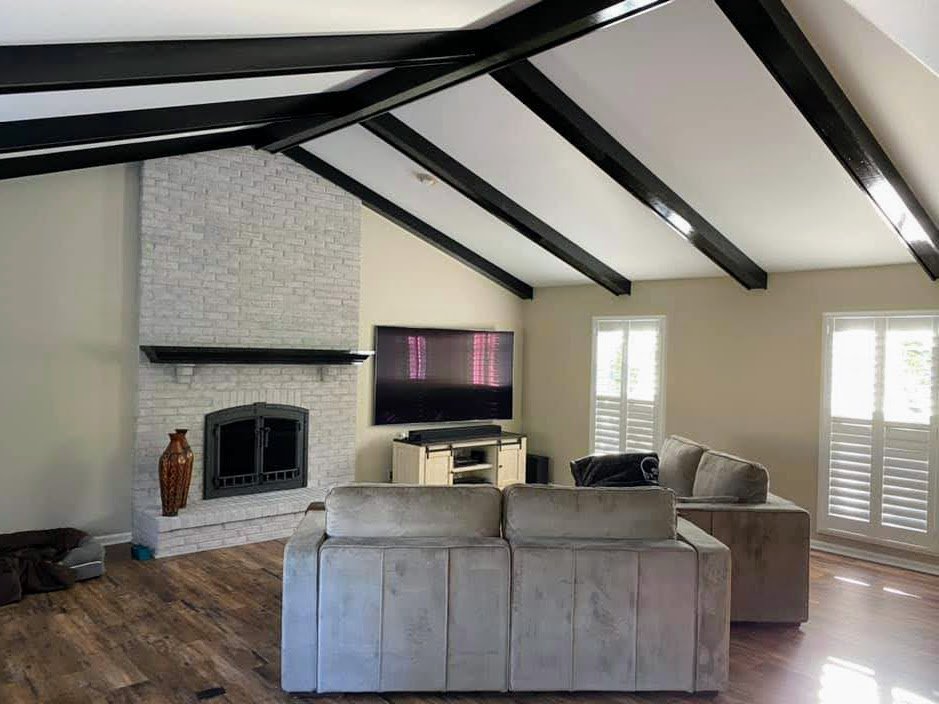
Interior Trim Prep Timeline and Steps From Prep to Paint-Ready
Trim prep is often multi-step: caulk, fill, sand, prime, and final checks. We plan the workflow so the trim is ready for paint and the finish looks consistent.
What affects trim prep timelines
Total trim scope and number of rooms
Dry time for fillers, caulk, and primer
Level of sanding needed on old enamel finishes
Repair volume (chips, dents, damaged sections)
Temperature/humidity (affects dry times)
Coordination with interior painting schedule
Our interior trim preparation process
Quick discovery on trim condition and finish goals
Walkthrough and clear estimate
Protection + prep plan (caulk, repair, sanding strategy)
Fill work and seam correction
Sanding and dust-control cleanup
Primer/stain-blocking as needed
Surface checks under strong light
Final walkthrough and paint-ready handoff (or paint completion if included)
Related Services That Pair With Interior Trim Preparation Projects
Trim preparation is often the missing step between “repaint” and a truly finished-looking interior. If you want one team to handle the whole upgrade, we can bundle services so walls, trim, and ceilings look consistent together.
Popular add-ons for interior trim prep clients
Interior painting for walls, ceilings, and trim
Drywall repair and paint-ready wall smoothing
Interior trim installation for missing or outdated trim
Cabinet refinishing and cabinet repainting (kitchens and built-ins)
Color consultations for coordinated finishes
Texture ceiling removal (when applicable)
Paint spraying services (when appropriate)
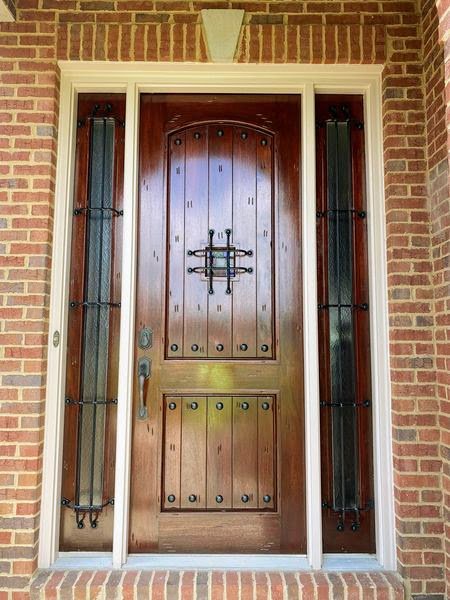

Why Homeowners Choose My Personal Painter for Interior Trim Preparation
Trim shows every flaw. We focus on the prep details—seams, smoothing, primer planning—so the final trim paint looks clean up close and consistent across the whole room.
Cleaner seams and smoother trim surfaces before paint
Better adhesion on glossy trim and older enamel finishes
Less flashing and fewer visible patch spots after painting
Clear communication on what prep is needed (and why)
Respectful crews and tidy work habits
Final walkthrough support and next-step guidance
Service Areas for Interior Trim Preparation Near Florence, KY
We serve communities across Northern Kentucky, the Cincinnati area, and Southeast Indiana. If you’re close but don’t see your location listed, reach out—we’ll confirm quickly.
Northern Kentucky
Fort Mitchell, Fort Wright, Crestview Hills, Edgewood, Park Hills, Villa Hills, Lakeside Park, Fort Thomas, Highland Heights, Cold Spring, Wilder, Taylor Mill, Bellevue, Dayton, Newport, Covington, Ludlow, Erlanger, Elsmere, Florence, Union, Hebron, Burlington
Cincinnati area
Hyde Park, Oakley, Mariemont, Terrace Park, Madeira, Indian Hill, Montgomery, Blue Ash, Kenwood, Loveland, Milford, Anderson Township
Southeast Indiana
Lawrenceburg, Greendale, Aurora, West Harrison, Batesville, Milan
Reviews From Clients Who Wanted Trim That Looked Smooth and Finished
Trim prep is only “done” when seams look clean, surfaces feel smooth, and the paint finish reads even in real lighting. We’re proud of the feedback we’ve earned from homeowners who wanted crisp detail work and a finished look.
Interior Trim Prep FAQs Homeowners Search For
Do you caulk and fill trim before painting?
Yes. Proper caulking, filling, and sanding are key steps for clean trim lines and smoother paint results. We’ll confirm what’s needed during the estimate.
Can you prep old glossy trim so paint sticks?
Yes. We plan sanding/de-glossing and use the right primer strategy when adhesion is a concern, especially on older enamel finishes.
Why do nail holes show through after painting trim?
Nail holes can “flash” if they aren’t filled, sanded smooth, and primed properly. We plan repair and primer steps so the finish looks consistent.
Do you prime trim before painting?
Often, yes—especially on raw wood, repairs, stained areas, or glossy surfaces. Primer helps create uniform absorption and better adhesion.
Can you fix cracked caulk lines on baseboards and casing?
Yes. We remove or rework failed seams as needed and apply controlled caulk lines so trim looks cleaner after paint.
How long does trim prep take?
Timeline depends on total trim scope, repair volume, sanding needs, and dry time between prep steps. We’ll outline the schedule during your estimate.
Can you prep trim and paint it as one project?
Yes. Many clients bundle trim preparation with interior painting so the final finish looks consistent and the workflow stays efficient.
What affects the cost of interior trim preparation?
Cost depends on linear footage, condition of existing trim, sanding complexity, repair volume, primer needs, access, and whether painting is included.
Will trim prep reduce brush marks in the final finish?
Prep can reduce ridges and existing texture so the final paint looks smoother. We’ll recommend the best approach for your trim and finish goals.
Do you offer free estimates?
Yes. We offer free estimates with clear scope details so you know what’s included.
Ready to Schedule Interior Trim Preparation?
If you want trim that paints smoother, looks cleaner, and holds up better—let’s talk.