Paint might look the same in the can, but interior and exterior paints are engineered for very different jobs. Using the wrong one is one of the most common — and costly — DIY mistakes homeowners make. Here’s what sets them apart, and why it matters for a finish that lasts.
What Exterior Paint Is Built For
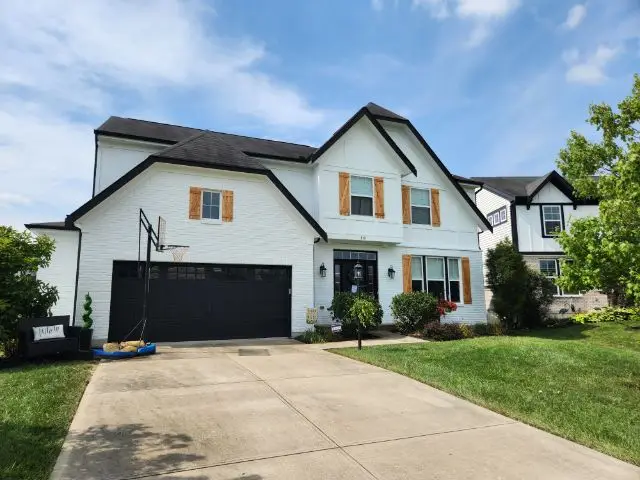
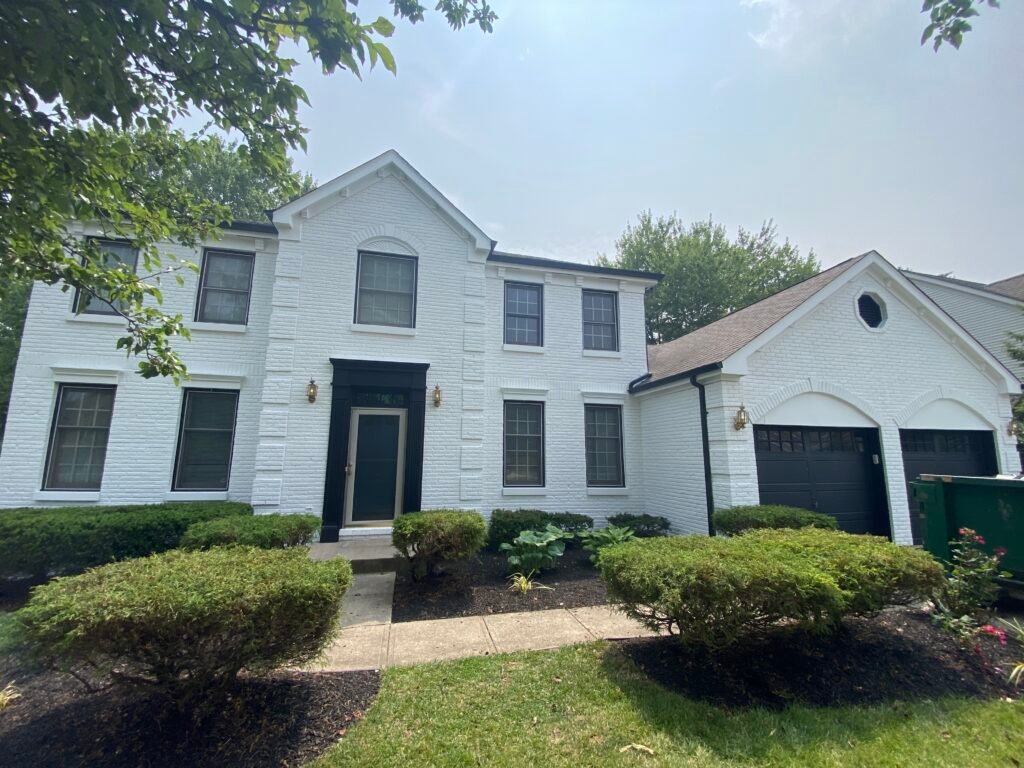
Exterior paint has to survive sun, rain, humidity, and Northern Kentucky’s freeze-thaw winters. It uses more flexible resins so it can expand and contract with your siding without cracking, plus additives for UV resistance and mildew protection. Those additives also mean it off-gasses more, which is why it isn’t meant for enclosed indoor spaces.
What Interior Paint Is Built For
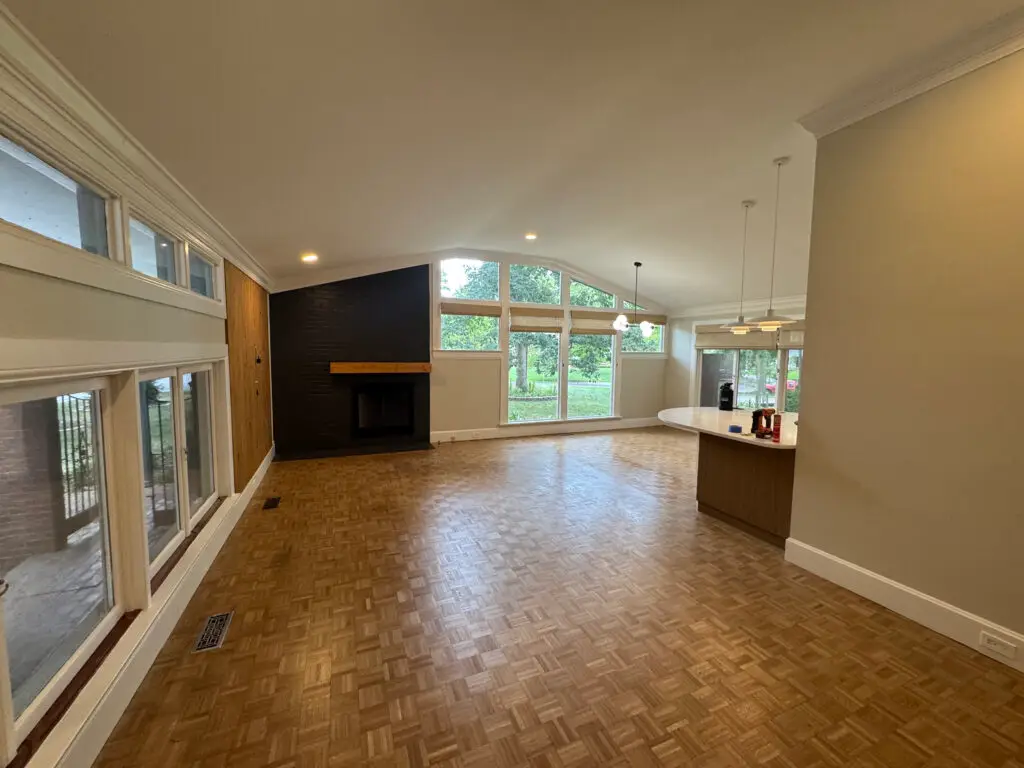
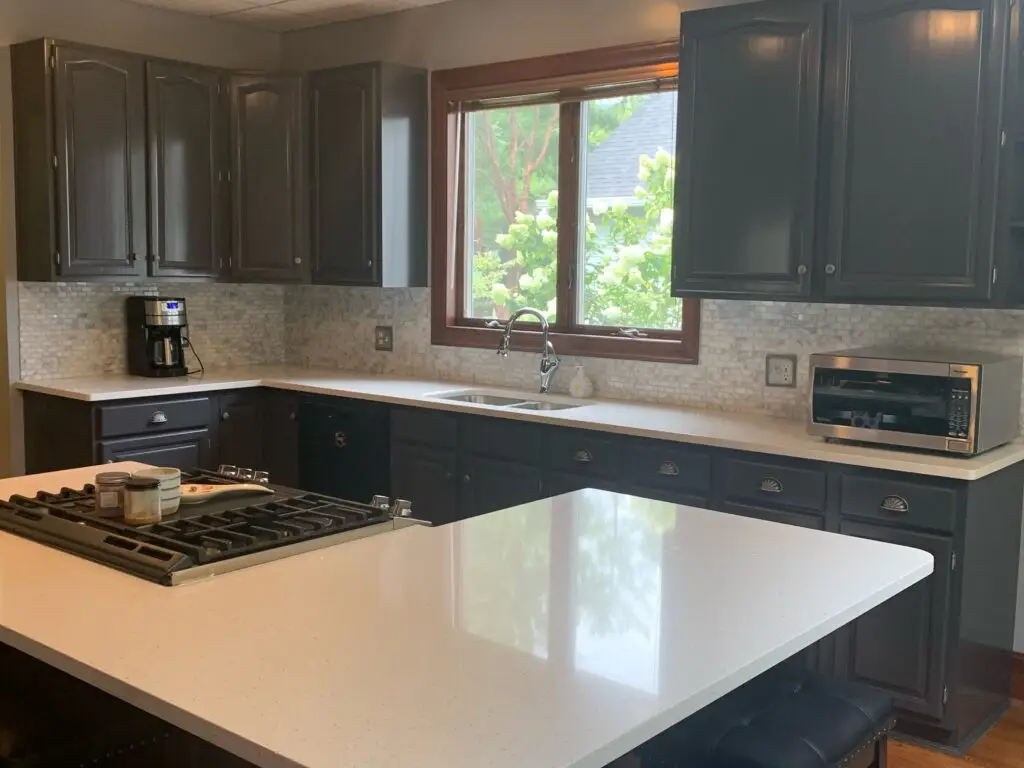
Interior paint prioritizes a smooth finish, low odor, and low VOCs for healthier indoor air. It’s formulated to resist scuffs and stains and to be washable — but it isn’t built for weather or UV. Used outdoors, it fades, peels, and fails quickly.
Why Using the Right Paint Matters
Matching the paint to the surface protects your investment. The right exterior system over proper prep can last years longer; the right interior product keeps walls looking clean and holding up to daily life. This is exactly where prep and product selection — and a professional painter — earn their keep.
Choosing the Right Sheen
Sheen matters as much as color. Flat and matte hide wall imperfections and suit low-traffic rooms; eggshell and satin balance durability and cleanability for living areas; semi-gloss and gloss stand up to moisture and scrubbing, ideal for trim, doors, kitchens, and baths. For exteriors, satin finishes are popular on siding with semi-gloss on trim.
Not sure which product or finish fits your project? Our team handles both interior painting and exterior painting, and we’ll recommend the right system for each surface. Get a free estimate — serving Northern Kentucky and Greater Cincinnati within 30 miles of Florence, KY.